Surfshark VPN vs Antivirus: Understanding the Difference
Part of our complete Surfshark coverage — eight articles, each answering a different question.
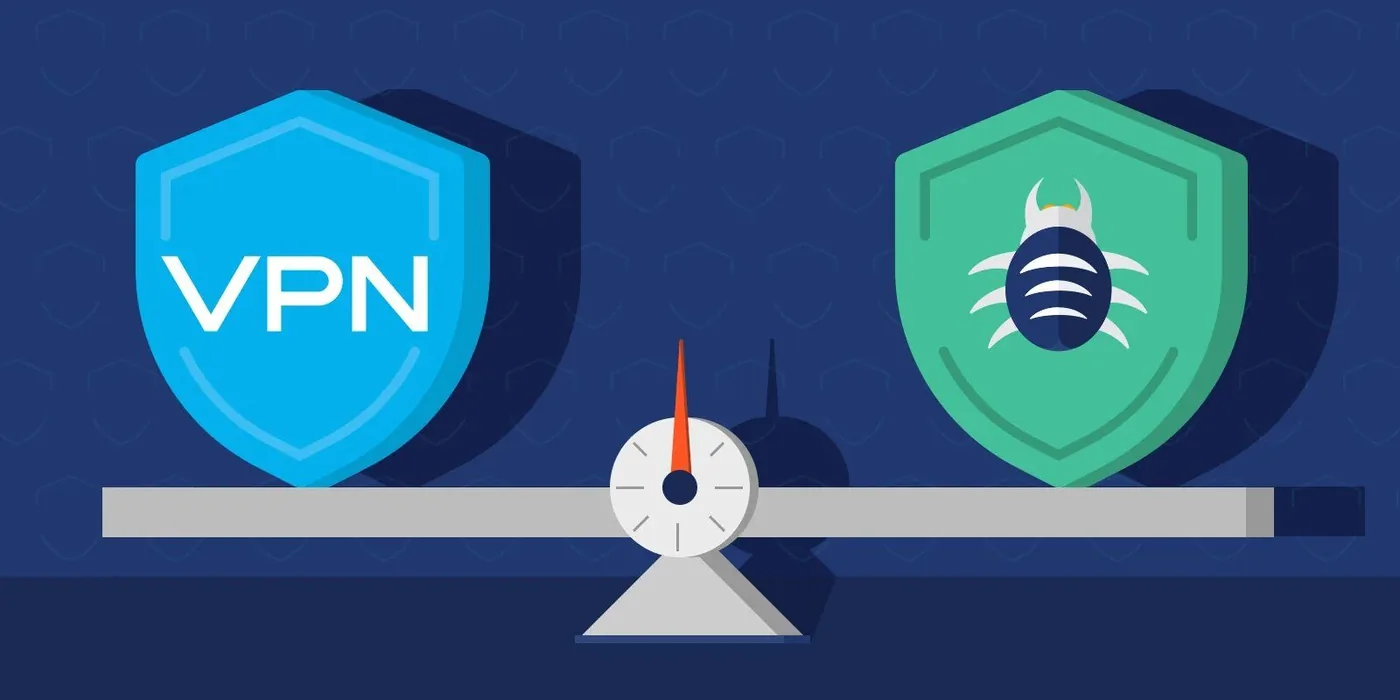
These get sold together and they solve unrelated problems. A VPN protects data moving between your device and the internet. Antivirus protects the device itself. Neither substitutes for the other, and buying one believing it covers the other is the actual risk.
The division, plainly
| Threat | VPN | Antivirus |
|---|---|---|
| Network operator seeing which sites you visit | Handles it | No effect |
| Your IP address exposed to sites | Handles it | No effect |
| Malware in a downloaded file | No effect | Handles it |
| Ransomware encrypting your files | No effect | Handles it |
| A phishing page harvesting your password | No effect | Partly, by blocking known sites |
| Public Wi-Fi interception | Handles it | No effect |
Read the column of "no effect" entries. That is the gap someone running only a VPN is carrying.
Why the confusion persists
Because both are sold as "security" and the marketing rarely draws the line. A VPN encrypts a tunnel; it inspects nothing that passes through it. Malware arriving through an encrypted tunnel arrives exactly as it would otherwise — arguably more quietly, since the traffic is opaque to any network monitoring you had.
The reverse holds too. Antivirus watching files and processes on your machine has no view of who can observe your connection.
What a VPN genuinely does
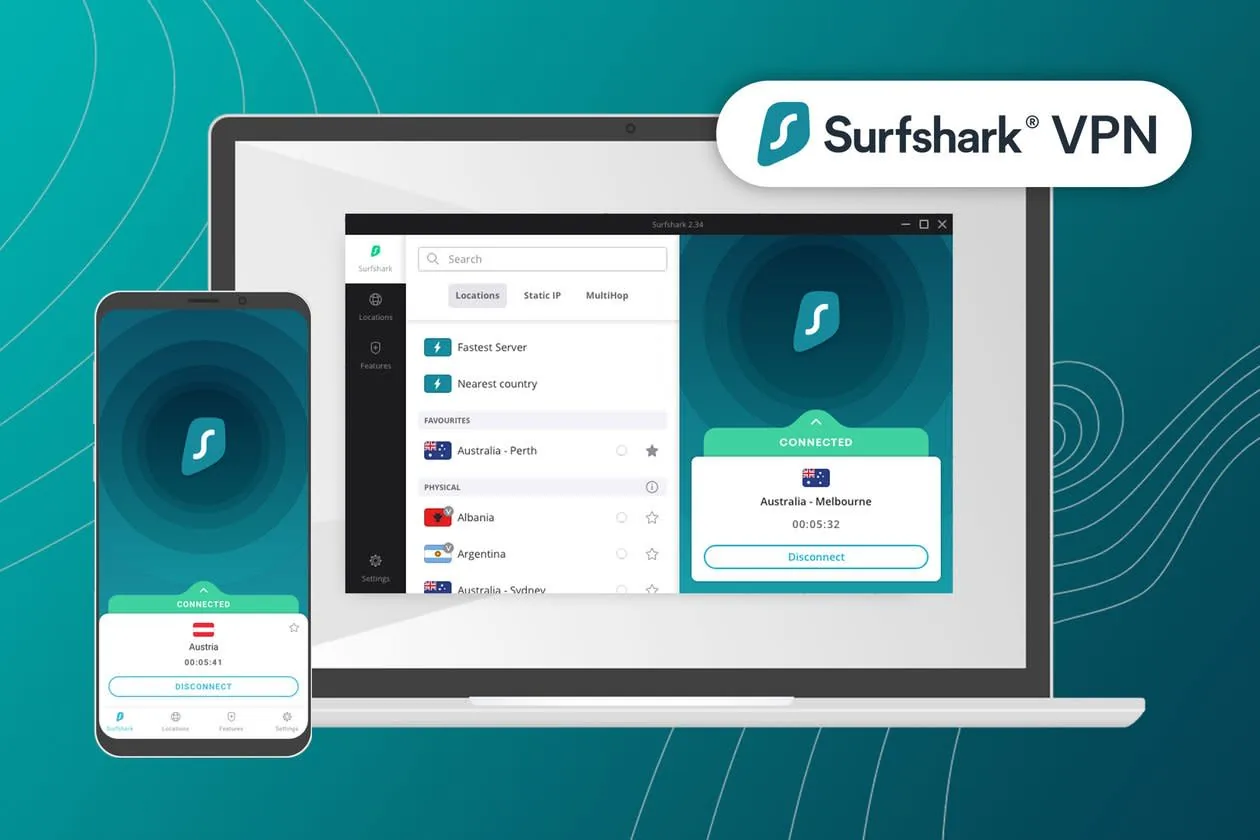
It encrypts traffic between device and VPN server, and substitutes the server's IP for yours. The network you are on sees encrypted traffic to one destination. Sites you visit see the server.
That is the whole function. Everything else in a VPN product — ad blocking, split tunnelling, kill switches — is built around it.
What antivirus genuinely does
It watches files and running processes for known malware signatures and for behaviour that looks like malware. It quarantines what it finds.
Modern operating systems ship with capable protection built in, which is worth knowing before paying for a separate product. The paid tier's argument is usually additional layers rather than fundamentally better detection.
Where bundles come in
Surfshark One packages the VPN with antivirus, breach alerting and a private search tool — walked through component by component in our One review.
Bundling is convenient and it is not automatically the best of each category. A bundled antivirus from a VPN company is competing against dedicated security vendors with far longer track records in detection. Convenience and one bill against best-in-class — a real trade, worth making deliberately.
What neither one covers
Weak and reused passwords, which is a password manager. Account takeover without a second factor, which is 2FA. Data already leaked in a third-party breach, which no endpoint tool can recall.
Bottom line
A VPN is not security software in the sense most buyers mean. It is privacy software with a narrow, real function. Run both, understand which covers what, and do not let a bundle convince you one purchase closed both gaps.
Part of our full Surfshark coverage.